Anonverse X CMC Airdrop: What We Know (and What We Don’t)
There is no verified Anonverse X CMC airdrop as of November 2025. Learn why this claim is a scam, how to spot fake crypto airdrops, and what real airdrops look like in 2025.
When you hear about an Anonverse airdrop, a rumored free token distribution tied to an anonymous blockchain project with no public team or roadmap. Also known as anonymous crypto airdrop, it’s a classic example of how mystery is used to mask lack of substance in crypto. The idea sounds simple: join a Discord, connect your wallet, and get free tokens. But in reality, most of these projects—like Anonverse—never deliver. They vanish after collecting wallet addresses, leaving users with nothing but a list of compromised data and wasted hours.
These kinds of airdrops rely on hype, not hardware. They don’t need a working product, just a flashy name and a fake website. You’ll see them pop up on Twitter, Telegram, or CoinMarketCap’s comment sections, promising rewards for actions that cost you nothing but your attention. But here’s the truth: real airdrops come from teams with code, history, and public accountability. They don’t hide behind anonymity. Projects like LNR Lunar Crystal NFT airdrop, a failed NFT distribution on BSC that disappeared without giving out any tokens and CHY airdrop, a charity-themed token with zero market activity and no real use case followed the same pattern. They looked real. They felt urgent. And they were empty.
What makes Anonverse different isn’t the idea—it’s how common this scam has become. Crypto airdrops are now one of the top vectors for phishing, wallet draining, and rug pulls. The same people who pushed fake TRO and HERO airdrops are now using Anonverse as a cover. They don’t need to steal your money directly. They just need you to sign a malicious approval, and your funds vanish. Even if you think you’re just claiming free tokens, you’re handing over control of your wallet. And once that’s done, there’s no undo button.
So what should you look for instead? Real airdrops have documentation. They have GitHub commits. They have active community moderators who answer questions—not just bots. They don’t ask you to connect your wallet before you even know what the token does. And they never promise instant riches for a few clicks. The CrossWallet CWT airdrop, a legitimate, transparent token distribution with clear steps and no hidden approvals is the kind of project you want to follow—not the ones that vanish after a week.
The crypto space is full of noise. Anonverse is just one more echo. But if you learn to listen for silence—the absence of code, of team info, of real utility—you’ll avoid the traps most people fall into. Below, you’ll find real stories of projects that promised free tokens and delivered nothing. You’ll also see how to spot the signs before you get burned. This isn’t about chasing free money. It’s about protecting what you already have.
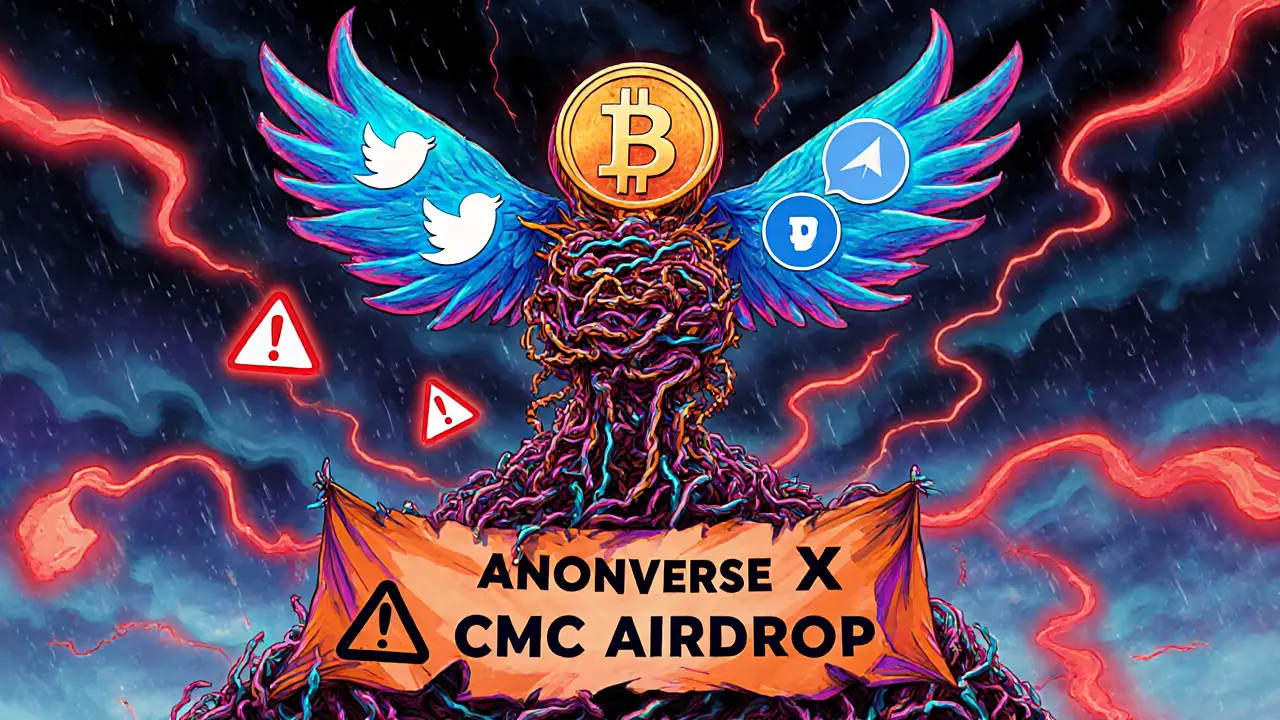
There is no verified Anonverse X CMC airdrop as of November 2025. Learn why this claim is a scam, how to spot fake crypto airdrops, and what real airdrops look like in 2025.