
Imagine releasing a hit song and seeing only pennies of the revenue land in your bank account. That’s the harsh reality for most independent musicians today. Streaming platforms take their cut, record labels take theirs, and you’re left wondering where the value went. Music NFTs are changing this equation. They aren't just digital collectibles; they are tools that let artists sell directly to fans, keep more money, and build communities that actually care about their work.
Why Traditional Music Models Fail Independent Artists
The global music industry generated roughly $65 billion in 2023. Sounds great, right? But here’s the catch: most of that money flows to a handful of major platforms and labels. For an independent artist, the math is brutal. After distribution fees, label advances, and streaming payouts (often fractions of a cent per stream), what’s left barely covers studio time. You spend months creating art, only to have intermediaries control how it’s sold and who profits from it.
This isn’t just annoying-it’s unsustainable. Many talented musicians quit because they can’t pay rent on streaming income alone. The system favors volume over loyalty. It rewards whoever has the biggest marketing budget, not necessarily the best connection with listeners. This is exactly the gap non-fungible tokens (NFTs) designed to fill. By removing the middlemen, artists reclaim agency over their careers.
How Music NFTs Actually Work for Creators
At its core, a Music NFT is a unique digital certificate stored on a blockchain, like Ethereum or Solana. Unlike a Spotify stream, which gives you access but not ownership, an NFT proves someone owns a specific version of your track, album, or even a backstage pass. Think of it as selling a limited-edition vinyl record, but one that exists digitally and can carry extra perks.
Platforms like Sound.xyz, Royal, and Audius make this process easier. You upload your track, set a price, and define what buyers get. Maybe it’s just the high-quality audio file. Maybe it’s access to a private Discord server. Or perhaps it’s a share of future royalties. The key difference? The transaction happens directly between you and the fan. No label approval needed. No waiting three months for a statement.
The Financial Upside: Royalties and Secondary Sales
Here’s where things get interesting financially. In the traditional world, if you sell a CD, you get paid once. If that CD resells ten years later at a garage sale for $100, you see zero dollars. With music NFTs, smart contracts change everything. These are self-executing code snippets on the blockchain that automatically send a percentage-typically 5-10%-to the original artist every time the NFT changes hands.
| Feature | Traditional Streaming/Label | Music NFT Platform |
|---|---|---|
| Primary Sale Revenue | Artist receives 10-30% after deductions | Artist retains 70-90%+ of sale price |
| Secondary Market Royalties | None (artist gets nothing on resale) | Automatic 5-10% royalty on every resale |
| Payment Speed | Quarterly or monthly delays | Instant upon transaction confirmation |
| Fan Relationship | Anonymous listener data held by platform | Direct wallet address identification |
This creates passive income streams previously impossible. If your song goes viral and early collectors flip their NFTs for profit, you still get paid. It aligns incentives: fans want your success because it increases their asset's value, and you benefit from their enthusiasm.
Beyond Money: Deepening Fan Engagement
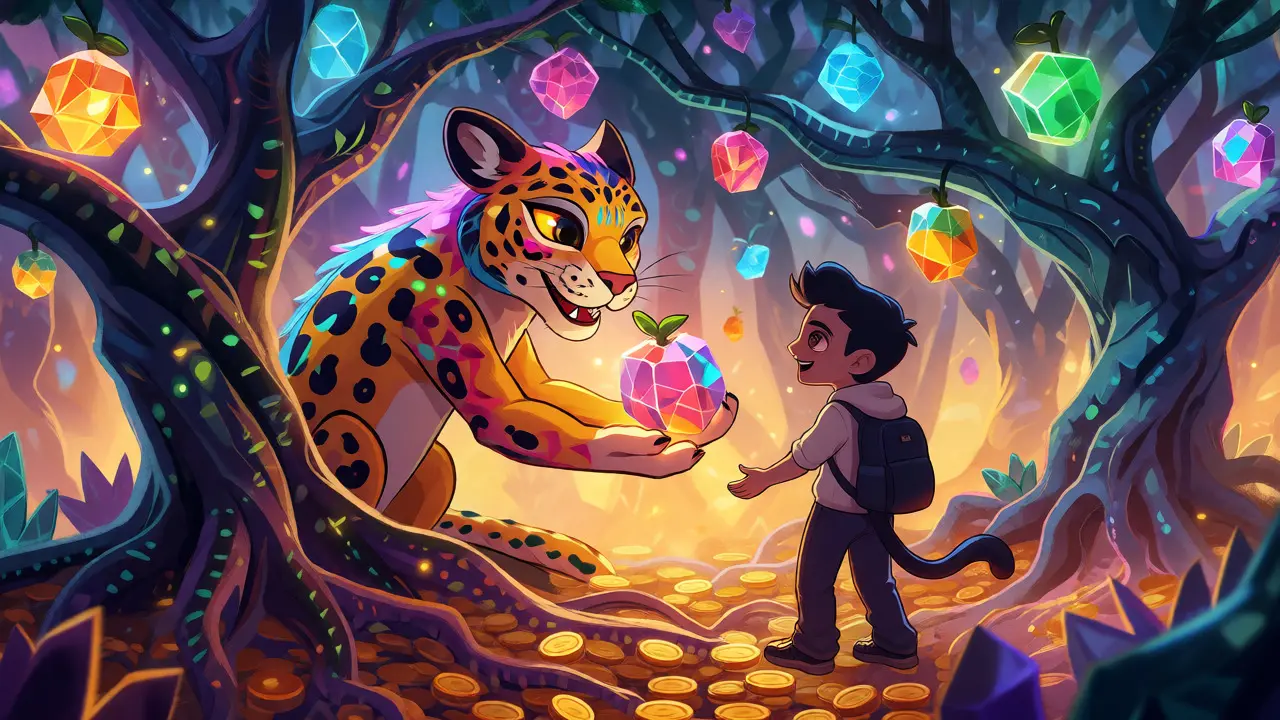
Money matters, but so does community. Traditional social media feels noisy and algorithmic. You post content hoping people see it. With NFTs, you create token-gated communities. Only holders of your specific NFT can enter a private chat, attend a live-streamed listening party, or vote on your next single’s cover art. This transforms passive listeners into active participants.
Artists report deeper loyalty when fans feel invested. Some creators sell "experience NFTs"-think 30-minute video calls, handwritten lyric sheets, or exclusive merch drops. These aren’t just transactions; they’re relationships. When a fan buys an NFT, they’re signaling support. When they interact within your token-gated space, they become part of your story. This emotional connection drives long-term career stability better than any playlist placement ever could.
Overcoming Technical Barriers
Let’s be real: blockchain sounds intimidating. Wallets, gas fees, seed phrases-it’s enough to scare off anyone who isn’t a tech nerd. But the landscape has shifted. Platforms now offer fiat payment options, meaning fans can buy NFTs with credit cards without ever touching crypto. Services like Mint Songs eliminate minting fees, lowering the barrier for entry-level artists.
You don’t need to understand consensus mechanisms to succeed. Focus on your art and your audience. Let the platform handle the complexity. Start small. Release one track as an NFT. See how your fans react. Learn from the feedback. The technology is maturing rapidly, becoming invisible infrastructure rather than a hurdle.
Real-World Success Stories
Consider emerging electronic producers who’ve bypassed labels entirely. By selling limited edition tracks on Sound.xyz, some have funded entire albums through pre-sales. Others use Royal to share publishing rights, allowing fans to earn alongside them. These aren’t outliers anymore; they’re blueprints. Even established acts are testing waters, offering VIP experiences as NFTs to superfans willing to pay premium prices for exclusivity.
The common thread? Authenticity. Artists who treat NFTs as genuine extensions of their creative journey-not quick cash grabs-see the best results. Transparency about why you’re using NFTs helps. Explain that you’re building a sustainable model. Fans appreciate honesty and will rally behind causes they believe in.
Key Takeaways for Artists Considering NFTs
- Start with utility: Don’t just sell audio files. Offer something tangible-access, voting power, or physical goods.
- Choose the right platform: Match your needs. Sound.xyz for direct sales, Royal for royalties, Audius for broader ecosystem integration.
- Engage before launching: Build hype in existing channels. Educate fans gently about how buying supports you directly.
- Pricing strategy: Keep initial prices accessible. Lower barriers encourage wider adoption and secondary market activity.
- Community first: Use token-gating to reward loyal supporters. Make them feel special and heard.
Music NFTs aren’t a magic bullet. They require effort, education, and patience. But for artists tired of fighting broken systems, they offer a viable path forward. You regain control over pricing, distribution, and fan relationships. The tools are ready. The question is whether you’ll pick them up.
Do I need to know coding to launch a music NFT?
No, you do not. Most modern platforms like Sound.xyz, Mint Songs, and Audius provide user-friendly interfaces that handle the technical aspects of minting and smart contract deployment. You simply upload your audio file, set parameters, and publish. The backend manages the blockchain interactions automatically.
What happens to my copyright when I sell an NFT?
Selling an NFT typically transfers ownership of the specific digital token, not the underlying copyright of the composition or recording. Unless explicitly stated otherwise in the smart contract terms, you retain all rights to license, perform, and reproduce the music elsewhere. Always clarify these terms in your NFT description to avoid confusion.
Are music NFTs expensive for fans to buy?
Costs vary widely depending on the artist and platform features. While some high-profile collections reach thousands of dollars, many independent artists start with accessible price points under $50. Additionally, many platforms now support credit card payments, hiding gas fees and making the experience similar to buying digital downloads or merchandise online.
Can I combine NFTs with traditional streaming?
Absolutely. Many successful artists use a hybrid approach. They release standard versions on Spotify and Apple Music for broad accessibility while offering exclusive, high-quality, or bonus-track versions as NFTs for dedicated fans. This diversifies revenue streams without cannibalizing either channel.
What are the risks of using music NFTs?
Primary risks include market volatility, potential environmental concerns regarding certain blockchains (though many are now energy-efficient), and the learning curve for both artists and fans. There is also the risk of low liquidity if you fail to build a strong community around your project. Mitigation involves choosing reputable platforms, educating your audience, and starting with modest expectations.

18 Comments
the fundamental issue here isn't just about money it's about the ontological shift in what music means when it becomes a tradable asset rather than a shared experience. we are moving from art as communion to art as commodity which fundamentally alters the relationship between creator and consumer.
man this is exactly what i needed to hear today! 🚀 i've been stuck in that streaming trap for years wondering why my hard work barely pays the bills. seeing artists actually keep 70-90% of their sales is mind-blowing. we gotta wake up and take control of our own destinies because nobody else will do it for us. let's gooo!
secondary market royalties are the only viable path forward otherwise its just digital vinyl with extra steps and gas fees eating your margins alive
I love how this post highlights the emotional connection aspect too. It’s not just about transactions; it’s about building a family around the music. When fans feel like they’re part of the journey, that loyalty lasts way longer than any algorithm could sustain. It gives me hope for independent creators everywhere. 💛
its pretentious to think nfts solve everything when half the people buying them dont even listen to the music theyre just speculating on the asset class lol
The moral imperative to support direct artist compensation outweighs the technical friction. We must prioritize ethical consumption over convenience. The current system exploits labor while NFTs restore dignity to creative work through transparent ownership structures
This is a fantastic overview of the landscape. For those hesitant about the technical side, I recommend starting with platforms that abstract away the blockchain complexity entirely. Focus on your audience first and let the technology serve your community rather than becoming a barrier to entry. You have got this!
Most artists lack the discipline for this. They want fame without effort. NFTs require consistent engagement. Most will fail due to laziness not market conditions.
Look, I get it, the tech is scary, but imagine the sheer vibrancy of a community where every single fan has a literal stake in your success?? Its like having an army of cheerleaders who also pay you back when things go well!!! The energy shifts from passive listening to active participation and honestly that feels so much more human and connected than some cold algorithmic playlist injection!!
Omg yes!! 🙌 The table comparing revenue streams is literally everything. I tried selling merch for months and the profit margins were trash compared to these NFT royalty splits. Also don't forget to mention that you can bundle physical items with the NFTs to make it even sweeter for collectors! ✨
it seems balanced enough but i worry about the environmental impact mentioned briefly at the end needs more nuance regarding layer 2 solutions
As someone who has navigated both traditional label deals and independent releases, I can confirm that the transparency offered by smart contracts is a game-changer. It removes the opacity that often breeds distrust between artists and management. Keep pushing for this model.
Listen, I agree with the premise but we need to be real about the adoption curve. Most fans are still confused by wallets and seed phrases. If you want this to work at scale, you cannot assume tech literacy. The platforms doing the best job are hiding the crypto completely behind credit card buttons. Until that is standard everywhere, this remains a niche tool for early adopters and not a mass-market solution for the average indie band trying to pay rent next month.
Dude, the 'instant payment' part is the real hero here!!! No more waiting 90 days for a check that bounced or got lost in the mail!!! Just pure, unadulterated cash flow hitting your wallet the second the transaction clears... it changes the entire psychology of being an artist!!!
We must remain vigilant against Western-centric narratives that ignore local economic realities. In Nigeria, the volatility of cryptocurrency exchanges poses a significant risk to artists relying on stable income. Furthermore, one suspects that major labels are quietly positioning themselves to absorb these new technologies, thereby neutralizing the threat to their monopoly power before it fully materializes.
bro if you ain't minting yet you already behind. stop sleeping on the wave. get your track out there now!!
eh whatever. sounds like another bubble waiting to burst. most ppl just want free music anyway. good luck selling air to people who steal mp3s.
Great summary. One addition: ensure you clarify licensing terms clearly. Many buyers misunderstand that owning the NFT does not grant commercial usage rights. Clear communication prevents future disputes and maintains trust within the collector community.