VLX (Velas) GRAND Airdrop: What You Need to Know in 2025
There is no official Velas (VLX) GRAND airdrop in 2025. Learn how to spot fake airdrop scams, verify real Velas token programs, and safely earn VLX through staking and official channels.
When you hear about VLX distribution, the process by which VLX tokens are released to different groups like founders, investors, and community members. It's not just about how many tokens exist—it's about token allocation and timing. A bad distribution can kill a project before it starts, even if the tech is solid.
Good token allocation, how a project divides its supply among stakeholders isn’t random. It’s a balance. Too much goes to insiders? Price crashes when they sell. Too little to the public? No real community buy-in. Projects like blockchain token distribution, the structured release of tokens across wallets, staking pools, and public sales that lock up team tokens for years, or give early users a fair slice, tend to last. Look at the vesting schedules—those are the hidden rules. If the team gets 20% upfront with no lock-up, that’s a red flag. If 50% goes to long-term stakers over four years? That’s a sign they’re building for the long haul.
crypto tokenomics, the economic design behind a token’s supply, use, and value flow isn’t just jargon. It’s the engine. VLX distribution is part of that engine. Is the token meant to be held, spent, or staked? Who gets rewarded? Are there burn mechanisms? These aren’t marketing fluff—they’re what keep the price from collapsing when early buyers cash out. You’ll see this in posts about failed tokens with no clear distribution plan, and in ones where tokens slowly entered the market through fair, transparent unlocks.
What you’ll find below are real examples of how token releases play out—some smart, some reckless. You’ll see projects where VLX distribution was fair and transparent, and others where it looked like a giveaway to insiders. You’ll learn how to spot a rigged allocation, what to look for in vesting schedules, and why some tokens never recover after their first big unlock. This isn’t theory. It’s what happened. And it’s what will happen again unless you know what to watch for.
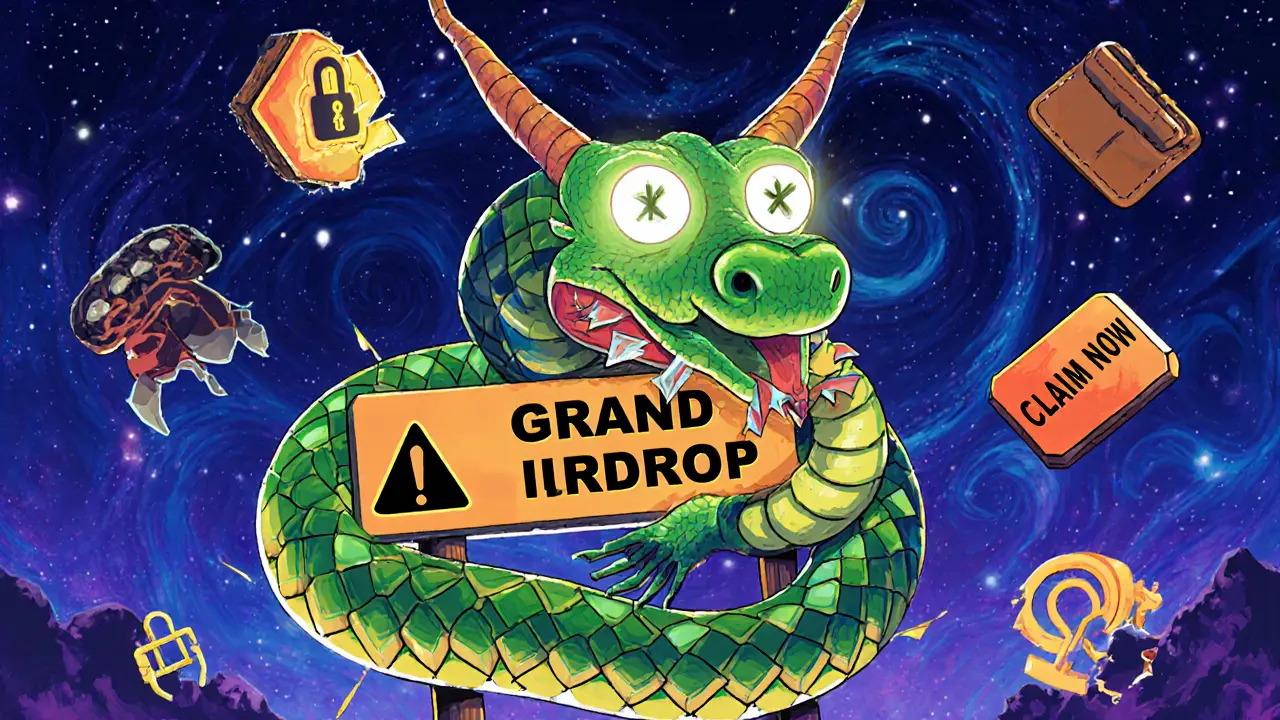
There is no official Velas (VLX) GRAND airdrop in 2025. Learn how to spot fake airdrop scams, verify real Velas token programs, and safely earn VLX through staking and official channels.