TVL Manipulation and Inflated Metrics in DeFi
TVL manipulation in DeFi tricks investors into believing protocols are more successful than they are. Learn how inflated metrics work, how to spot fake numbers, and what to look at instead of TVL.
When you hear blockchain deception, the deliberate manipulation of blockchain technology to mislead users, steal funds, or inflate perceived value. Also known as crypto fraud, it’s not just a risk—it’s the norm in many corners of the market. It’s not about bad luck. It’s about design. Projects vanish after raising funds. Airdrops promise free tokens but never deliver. Exchanges inflate trading volume to look popular. These aren’t glitches—they’re business models.
Look at the fake airdrops, promised token distributions that never happen, often used to harvest wallet data or create hype for a dead project. The LNR Lunar Crystal NFT airdrop? Vanished. CHY from Concern Poverty Chain? Worthless. WELL airdrop? Doesn’t exist. These aren’t outliers. They’re standard tactics. Scammers know people chase free crypto. They build fake websites, copy real logos, and use social media bots to make it look real. And when you sign in to claim your tokens, you’re not getting free crypto—you’re handing over your private key.
market cap manipulation, the artificial inflation of a token’s market value through wash trading, pump-and-dump schemes, or fake volume is how most low-cap tokens rise overnight. One project might claim a $100 million market cap, but if 95% of that volume is fake, you’re buying into a ghost. The same trick shows up in exchange listings—some platforms list tokens with zero liquidity just to collect listing fees. You think you’re trading a real asset. You’re trading a number on a screen that doesn’t reflect reality.
And then there’s the crypto fraud, a broad category covering everything from exit scams to fake teams and plagiarized whitepapers. Cruze (CRUZE) had no code and no team. Treecle (TRCL) claimed to power EV charging but had zero circulating supply. North Korea’s state hackers stole over $2 billion in crypto—not because they were smart, but because so many projects didn’t bother to secure their systems. These aren’t edge cases. They’re the rule in unregulated spaces.
What makes blockchain deception so dangerous is how normal it looks. You see influencers promoting a project. You see CoinMarketCap listings. You see fake Twitter threads with hundreds of "verified" users cheering. But none of that means it’s real. Real projects don’t need hype machines. They don’t promise 10,000x returns. They don’t ask you to connect your wallet before you even know what the token does.
Below you’ll find real stories of what happens when blockchain deception wins. You’ll see how Iran bypasses sanctions with crypto, how Russia trades P2P under sanctions, how Algeria’s ban didn’t stop underground trading, and how Saudi Arabia’s banking block didn’t kill demand—it just pushed it into the shadows. You’ll see how airdrops are weaponized, how market caps are faked, and how entire projects disappear overnight. This isn’t theory. These are cases. Real people lost money. Real systems were exploited. And the only way to protect yourself is to know how these tricks work—before you get caught in them.
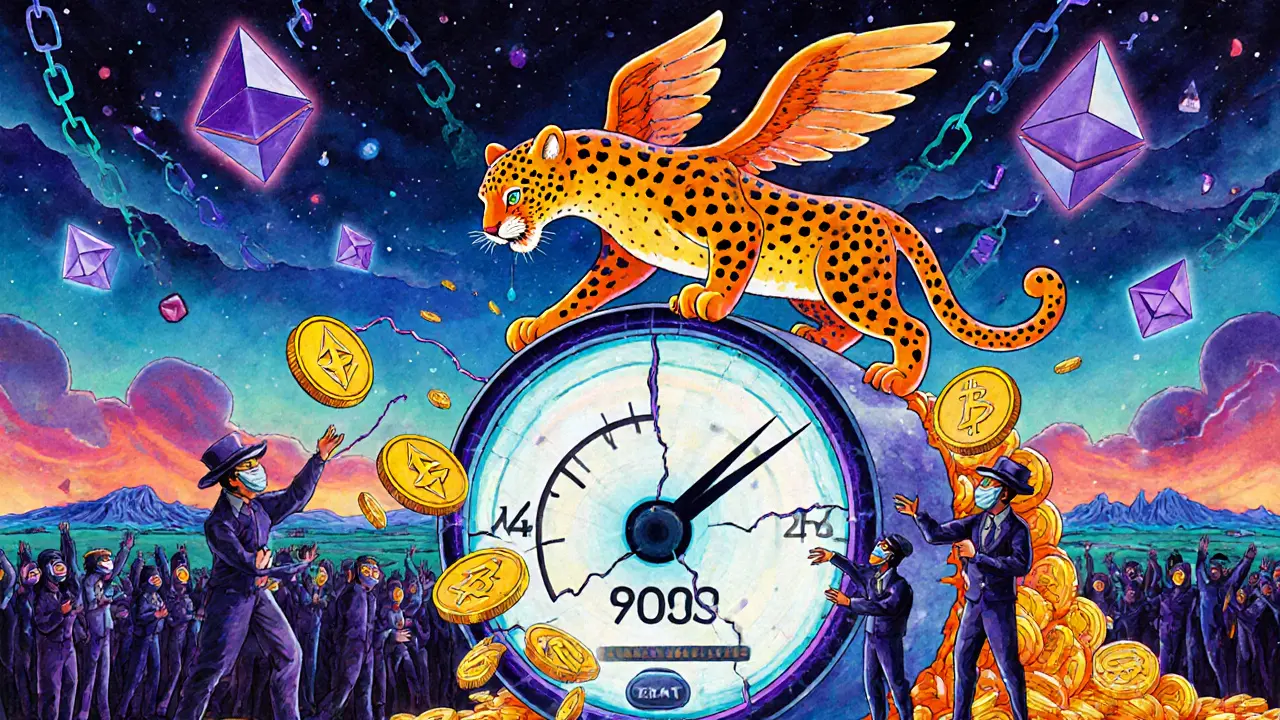
TVL manipulation in DeFi tricks investors into believing protocols are more successful than they are. Learn how inflated metrics work, how to spot fake numbers, and what to look at instead of TVL.